Nigeria’s education system is full of potential, but for many young people, it no longer reflects the realities of today’s world of work. Classrooms remain heavily theoretical, while the demand for practical, technical, and vocational skills continues to grow. The 100 Youth Project was created to confront this gap but by placing young people at the center of the conversation.
Implemented between April and September 2024, the project was led by Teach the Child Initiative with support from the Nigeria Youth Futures Fund (NYFF). The project mobilized young Nigerians across the country to advocate for curriculum reform that prepares learners for life, work, and innovation in the 21st century.
Building a Nationwide Movement of Young Advocates
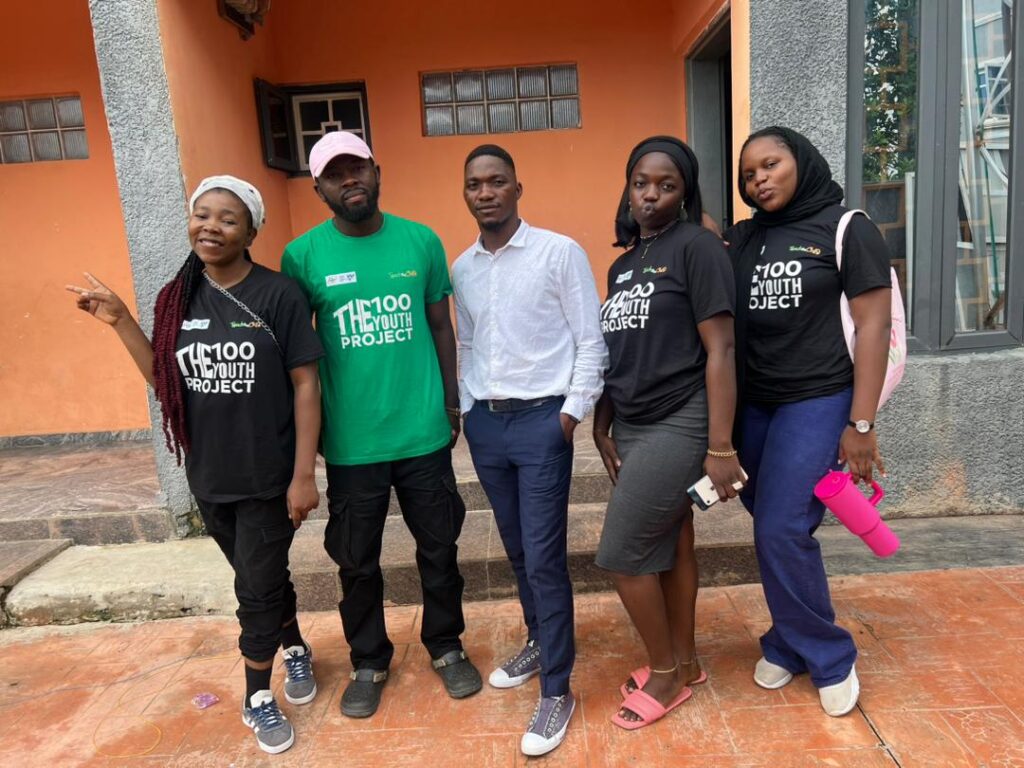
Some youth advocates at Amana International School, Abuja.
The project began with a nationwide call for youth who were passionate about education reform and the response was overwhelming. 167 young people applied, reflecting a shared desire to challenge an education system that leaves students unprepared for the future.
From this pool, 100 young changemakers were selected from 21 states across Nigeria, including a person with disability. What was initially planned as an FCT-based project quickly expanded into a national movement, driven by the energy and commitment of youths.
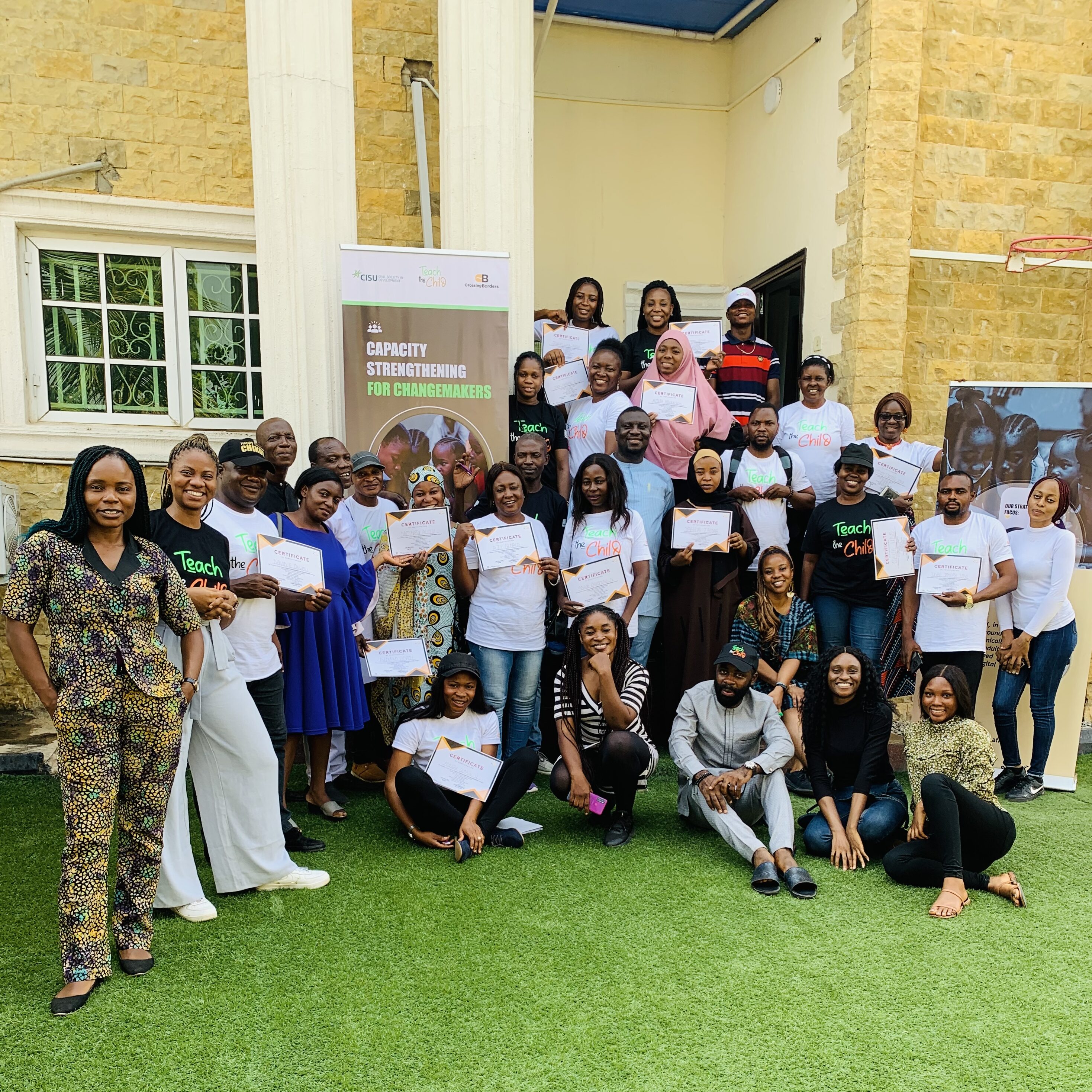
Participants underwent onboarding sessions to strengthen their understanding of education policy, advocacy, and community engagement. They were equipped not just with information, but with confidence and then encouraged to return to their alma maters to lead conversations that mattered.
Taking the Conversation Back to Schools
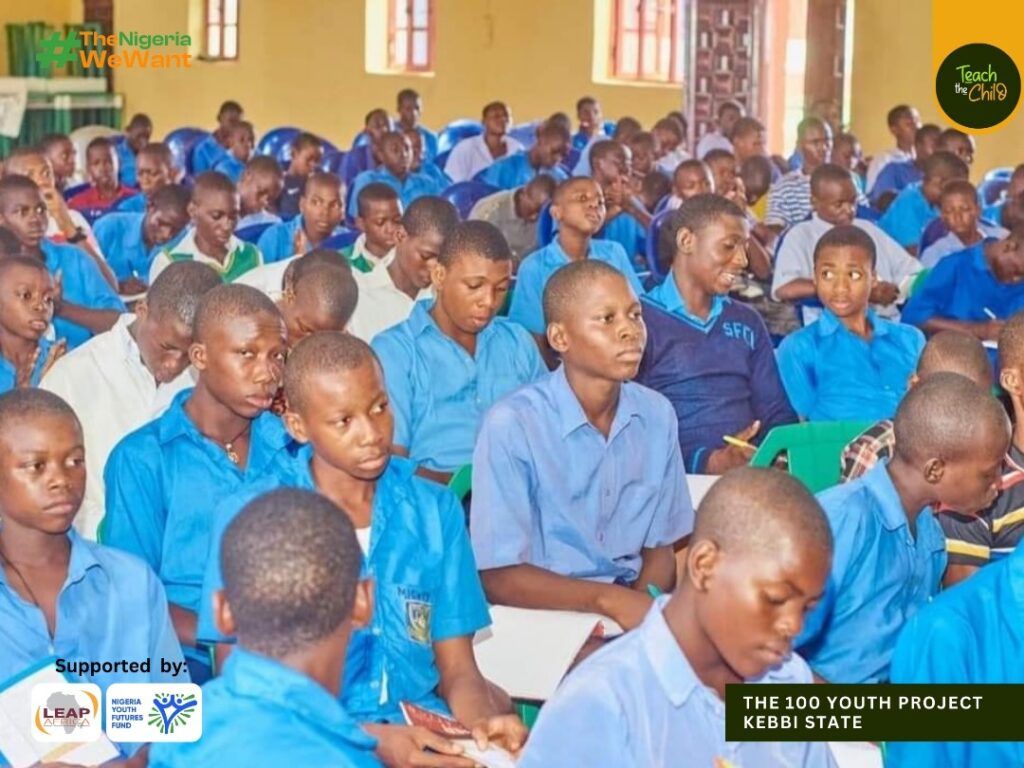
Learning session for students in Kebbi State
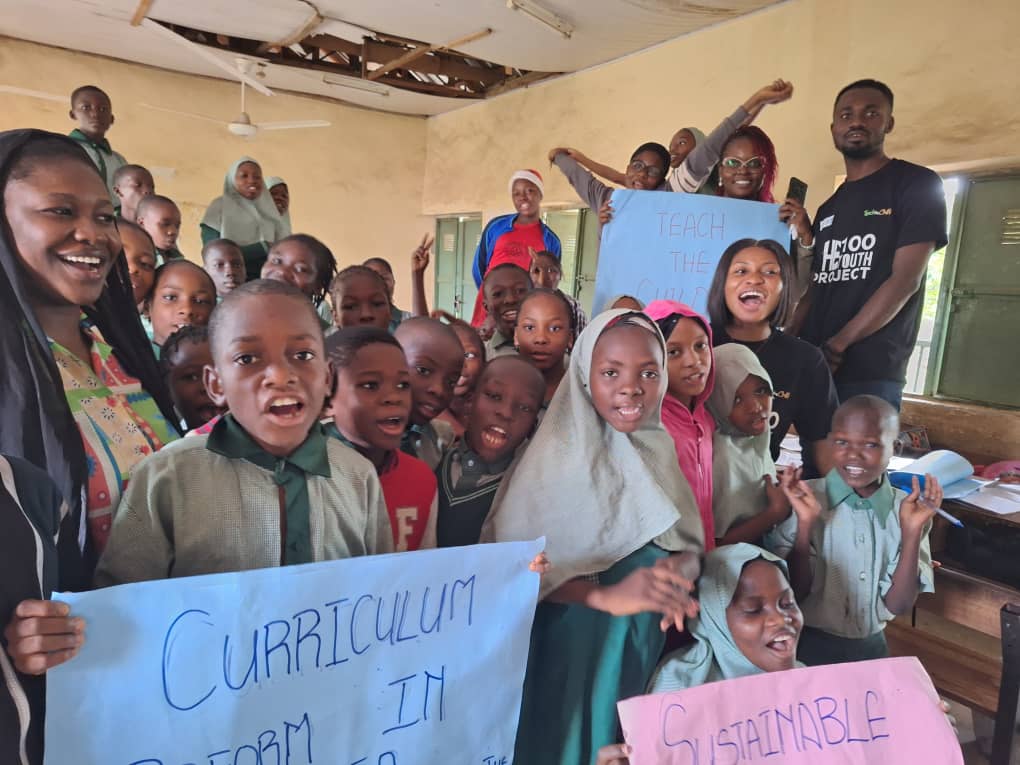
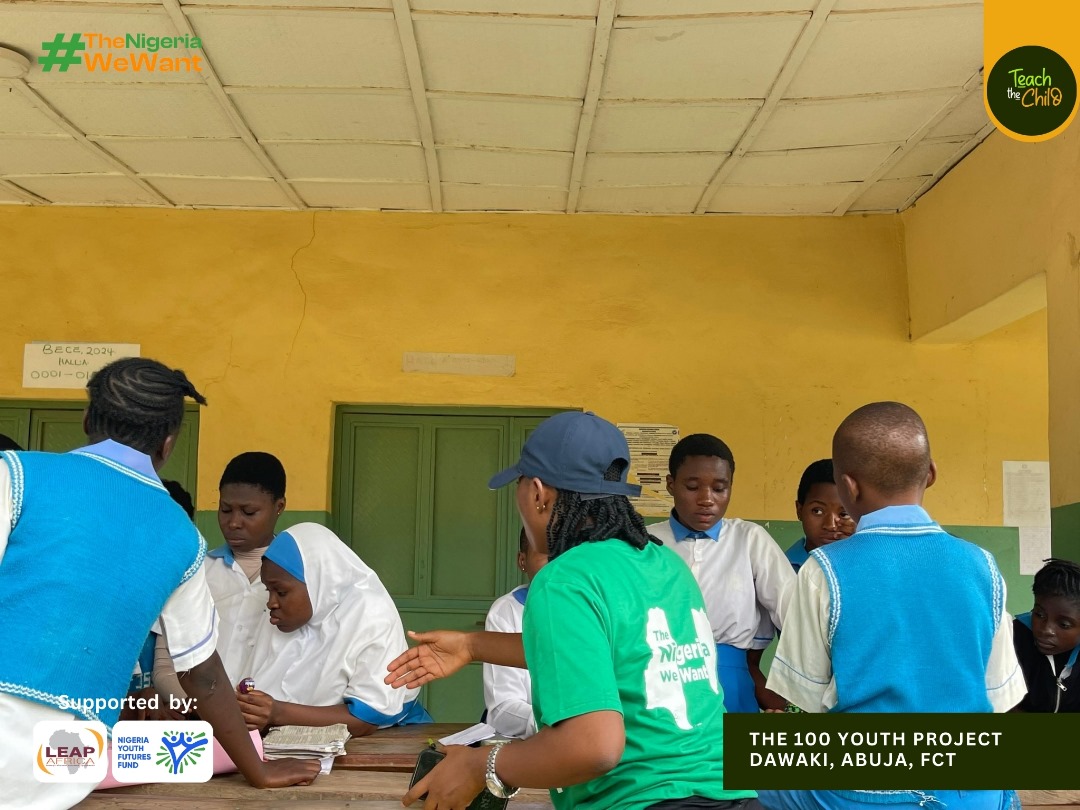
At the heart of the 100 Youth Project were honest conversations inside schools. Youth advocates engaged primary and secondary schools across the country, reaching 36 schools in 21 states.
In classrooms and staff rooms, they asked simple but powerful questions: Is the current curriculum preparing students for today’s workforce? What skills are learners missing? What needs to change?
These engagements reached over 2,500 students and 244 educators. Students spoke openly about graduating without practical skills, while teachers and school administrators expressed strong interest in vocational education, technical training, excursions, and more hands-on learning approaches.
In several schools, administrators began exploring ways to introduce skills-based activities, inspired by the discussions. The project did not impose solutions but created space for reflection, dialogue, and locally driven action.
Using Creativity to Drive Advocacy
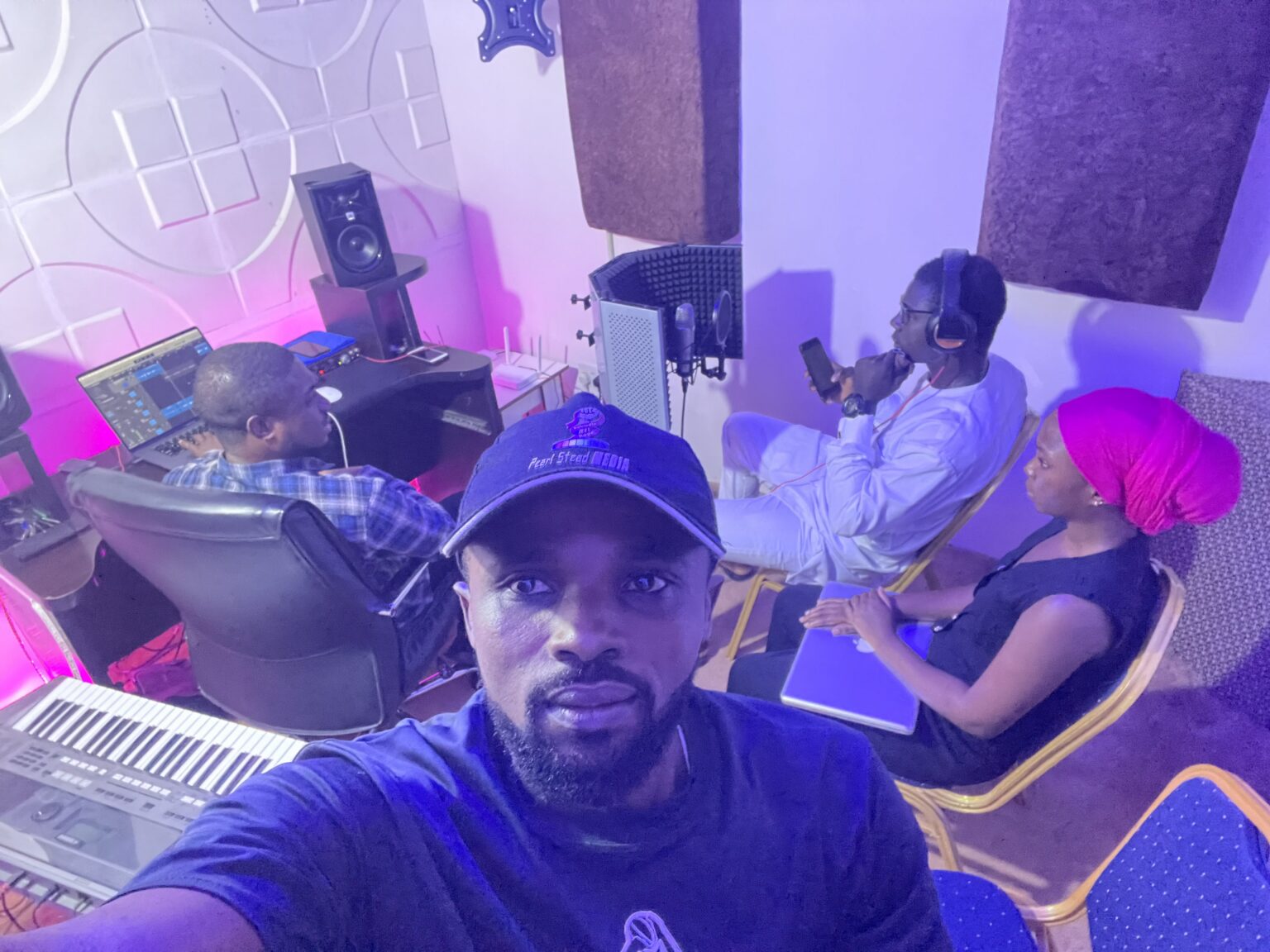
An episode of From Chalkboard to Creativity radio show
Beyond school engagements, the project embraced creative advocacy to reach a wider audience. One of its flagship outputs was an eight-episode radio playlet titled From Chalkboard to Creativity. The series used storytelling to highlight the limitations of Nigeria’s current education system and the value of vocational and technical education.
The radio playlet reached hundreds of thousands of listeners and was later shared on Spotify, extending its reach to young, digital audiences. Through relatable characters and real-life scenarios, the series made curriculum reform accessible, emotional, and urgent.
To further amplify public voices, the project conducted vox pop interviews in Abuja, capturing everyday Nigerians’ views on education and skills development. These insights reinforced a recurring theme: many believe the education system must evolve to prepare learners for employment, entrepreneurship, and innovation.
Social media campaigns complemented these efforts, engaging over 20,000 people across platforms and sparking national conversations about the future of education in Nigeria.
Inclusion as a Core Value
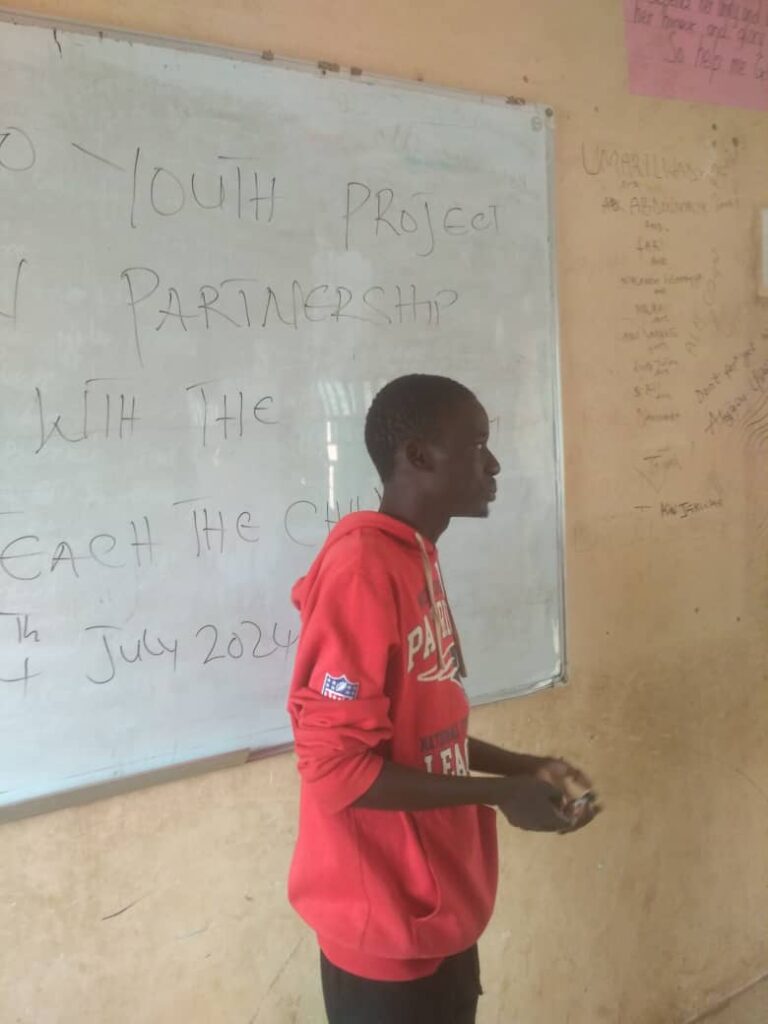
Ibrahim, a deaf youth advocate, is engaging with students in a classroom in Kaduna.
The 100 Youth Project was intentionally inclusive. Persons with disabilities were not only beneficiaries but active contributors to advocacy efforts. One powerful example was the participation of Ibrahim Isyaku, a deaf youth advocate who led school engagements, including at the School of the Deaf in Kaduna.
Through these efforts, the project reached 22 persons with disabilities and highlighted the importance of designing education reforms that are inclusive and responsive to diverse learning needs.
Engaging Policymakers and Shaping Dialogue
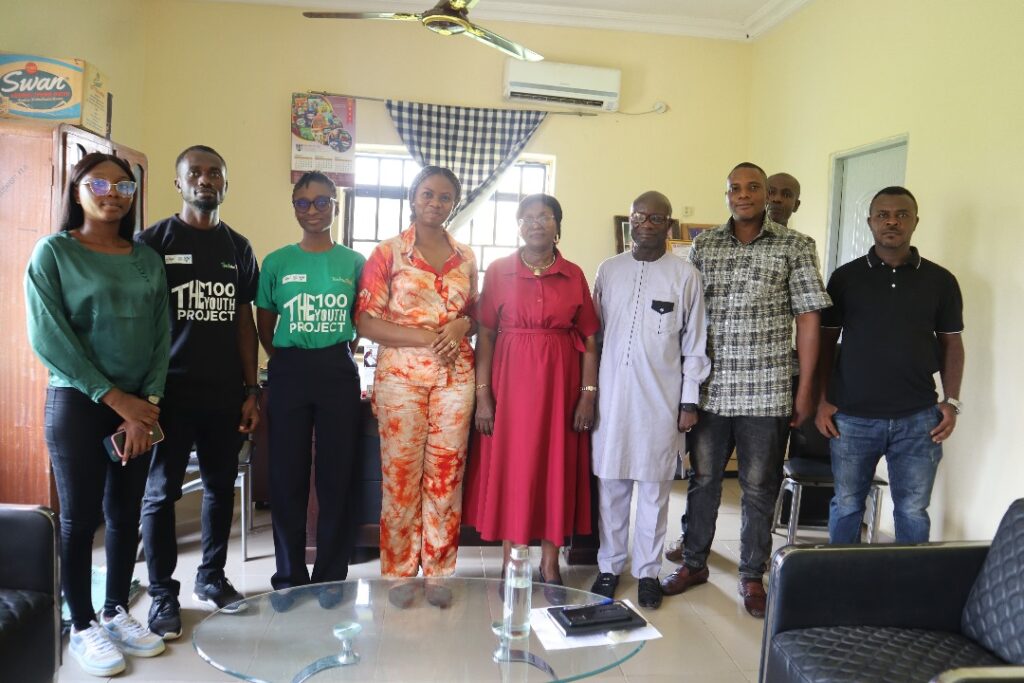
Advocacy visit to the Nigerian Educational Research and Development Council
In addition to grassroots advocacy, Teach the Child engaged key education stakeholders, including the Nigeria Education Research and Development Council. These engagements aligned the project’s objectives with ongoing national curriculum review processes.
Insights from school engagements, public interviews, and creative advocacy informed the development of a policy brief advocating for curriculum reforms that integrate vocational and technical skills into basic education. This policy brief represents a concrete step toward translating youth voices into policy-relevant recommendations.
Impact Made
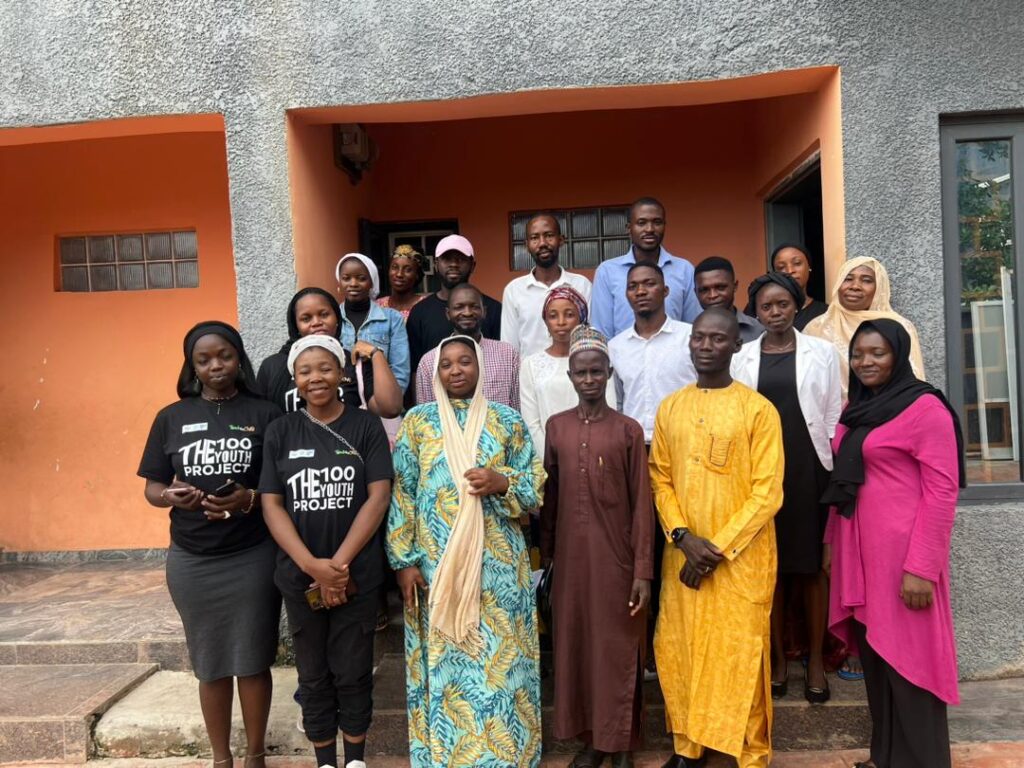
Segment of some educators and volunteers
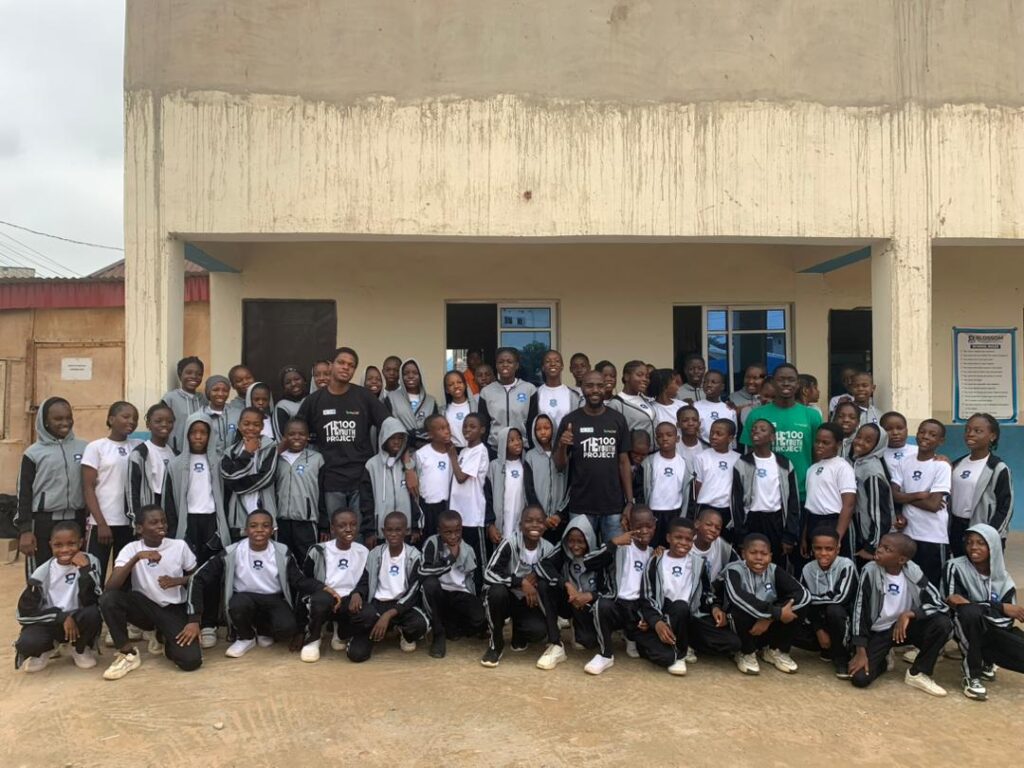
Students and volunteers from FCT Blossom Academy
Over six months, the 100 Youth Project achieved the following:
Mobilised 101 young advocates across 21 states
Engaged 36 schools nationwide
Reached over 2,500 students and 244 educators through school dialogues
Reached hundreds of thousands through radio advocacy and over 20,000 people online
Amplified inclusive education by engaging persons with disabilities
Strengthened youth participation in education policy conversations
More importantly, the project demonstrated that young people are not passive recipients of education reform. When equipped and trusted, they become powerful drivers of change.
Looking Ahead
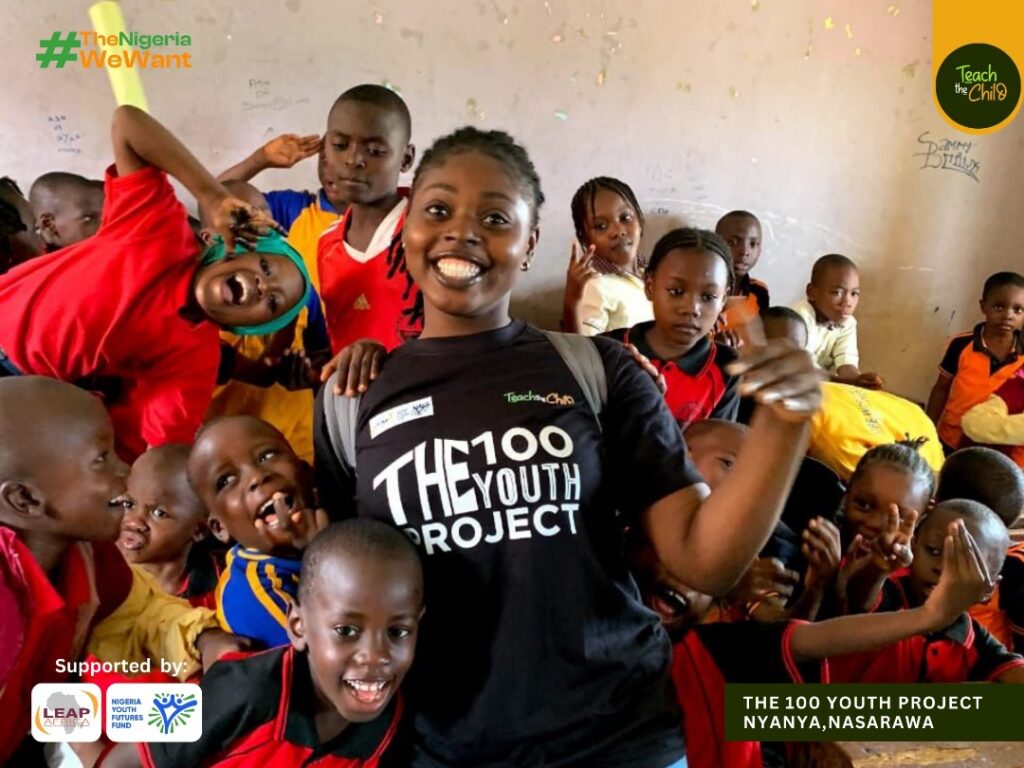
LEA primary school children
The conversations sparked by the 100 Youth Project continue beyond the project cycle. The network of youth advocates remains active in their communities, the policy brief continues to inform engagement with stakeholders, and the creative outputs remain accessible to the public.
At Teach the Child Initiative, we believe education reform must be participatory, inclusive, and grounded in lived experience. The 100 Youth Project reaffirmed this belief and showed that reform becomes not just possible, but inevitable when young people lead.