Many Nigerian youth acquire their skills informally through apprenticeships, on-the-job training, and community mentorship. They are capable workers, but rigid hiring requirements that prioritise formal qualifications over demonstrated ability often shut them out of the labour market.
Nigeria already has a framework designed to fix this. The National Skills Qualifications Framework (NSQF), managed by the National Board for Technical Education (NBTE), provides a structure for recognising and certifying skills regardless of how they were acquired. But in the rural and peri-urban communities of the FCT where it matters most, almost no one had heard of it.
Our Response
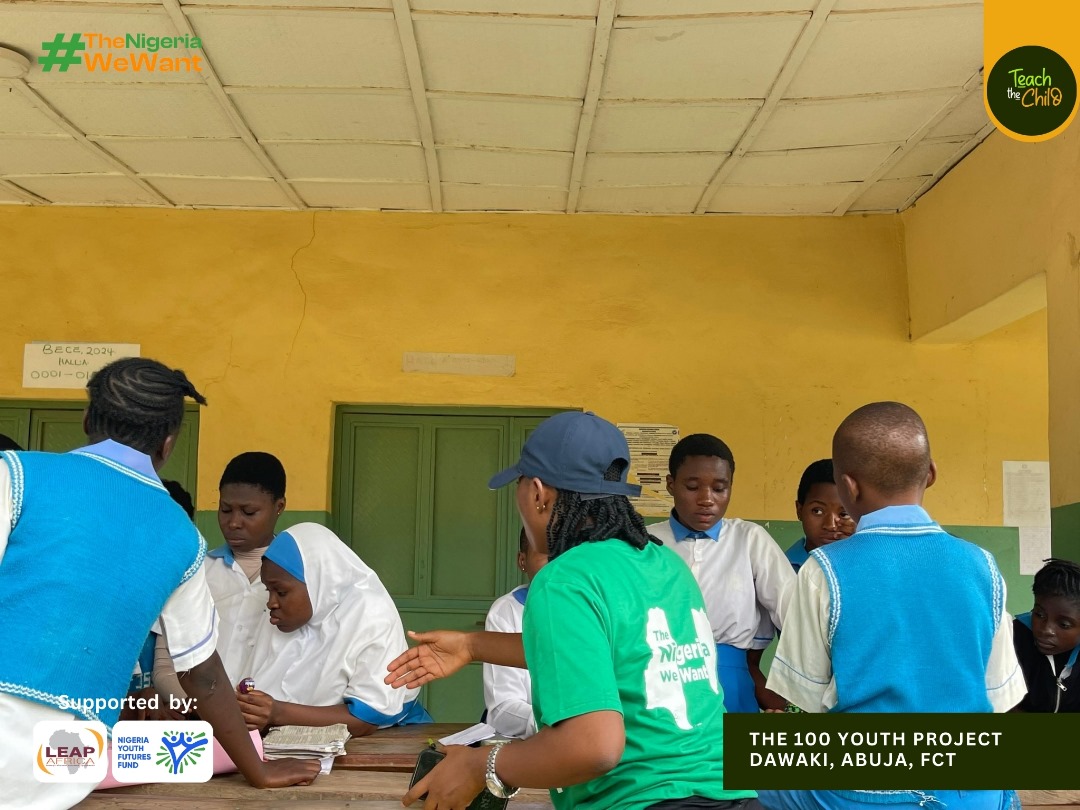
Supported by the AU-EU Youth Action Lab, the Employment Advocacy for Rural Youths Project worked across all six area councils of the FCT to close this awareness gap, connecting young people to the frameworks, stakeholders, and pathways that already exist but had not reached them.
Listening to young people first
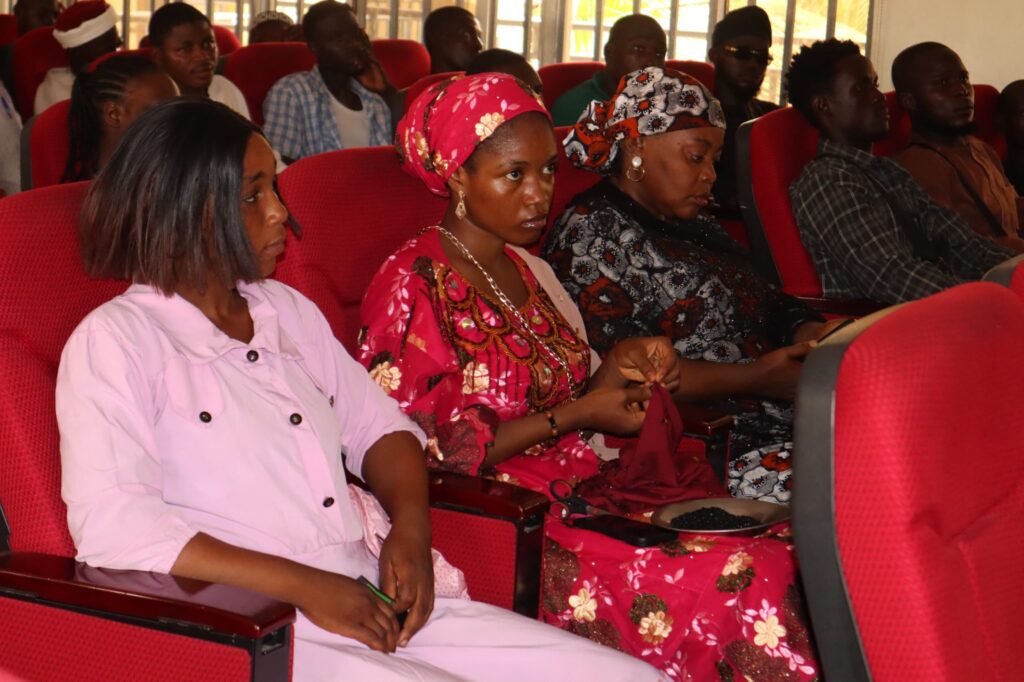
Youths at the AMAC focus group
We began with focus group discussions in each of the six area councils, including women and persons with disabilities in these conversations. The findings were consistent: informal skills are the norm, but without recognised credentials, formal employment remains out of reach. These conversations directly shaped the project’s advocacy strategy.
Townhalls across five area councils
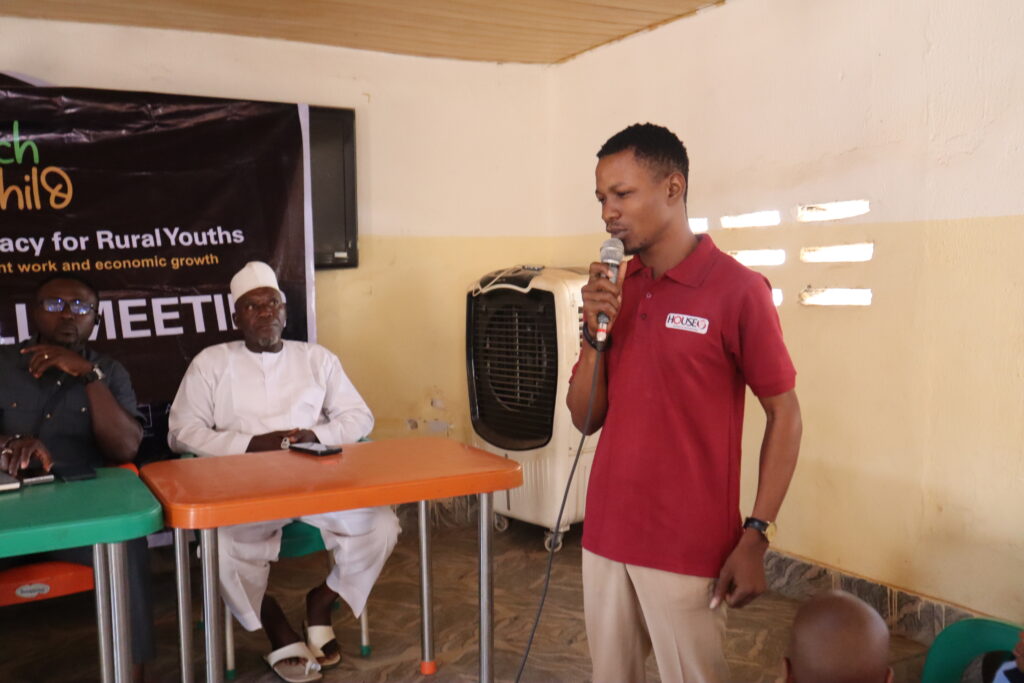
Cross-section of participants at the Gwagwalada townhall
We brought rural youths face-to-face with government officials, private sector representatives, and skills development agencies to demystify the NSQF. We covered what it is, how to access certification, and what it means for employability. Each townhall produced a communiqué documenting stakeholder commitments, giving communities a tool to hold decision-makers accountable.
Skills O'Clock Radio
A 10-episode radio programme brought the conversation to a wider audience, featuring public and private sector stakeholders discussing practical routes to skills recognition and certification. Listeners who had never encountered the NSQF called in to learn more.
Partnerships
The project formalised a Memorandum of Understanding with the NBTE to promote NSQF awareness and expand skills recognition.
We partnered with GYSAPEO to reach youth clusters and grassroots networks, collaborated with the FCT Department of Mass Education on radio and town hall engagements, and worked with Stonebuilt Concepts and Mastermind Culinary Institute, a TVET centre offering NSQF certification, to connect youths directly to skills development and employment opportunities.
Over 250 youths were reached directly through focus groups and town halls. More than 1,000 were reached through radio and social media. Twenty stakeholders across government, the private sector, and civil society were engaged.
At the Abaji town hall, a young participant demonstrated his skills and secured a service contract from a private sector stakeholder during the session. Following the Bwari town hall, the FCT Agency for Mass Education initiated plans to establish a training centre in the Bmuko community.
Communiqués from the meetings are now in use as community-level accountability tools. And peer learning emerged organically — skilled youths at multiple sessions expressed willingness to mentor others, opening the door to community-led skills transfer.
Challenges
Private sector engagement was the steepest challenge. Many employers operate entrenched recruitment systems and were reluctant to consider the NSQF as a credible hiring framework.
Lessons Learned
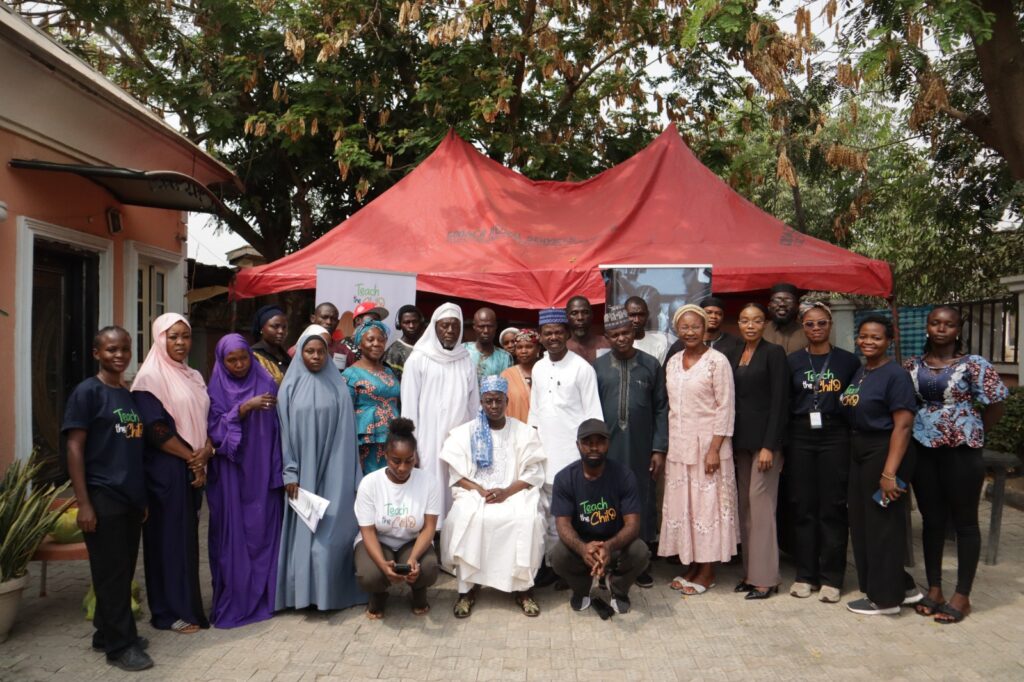
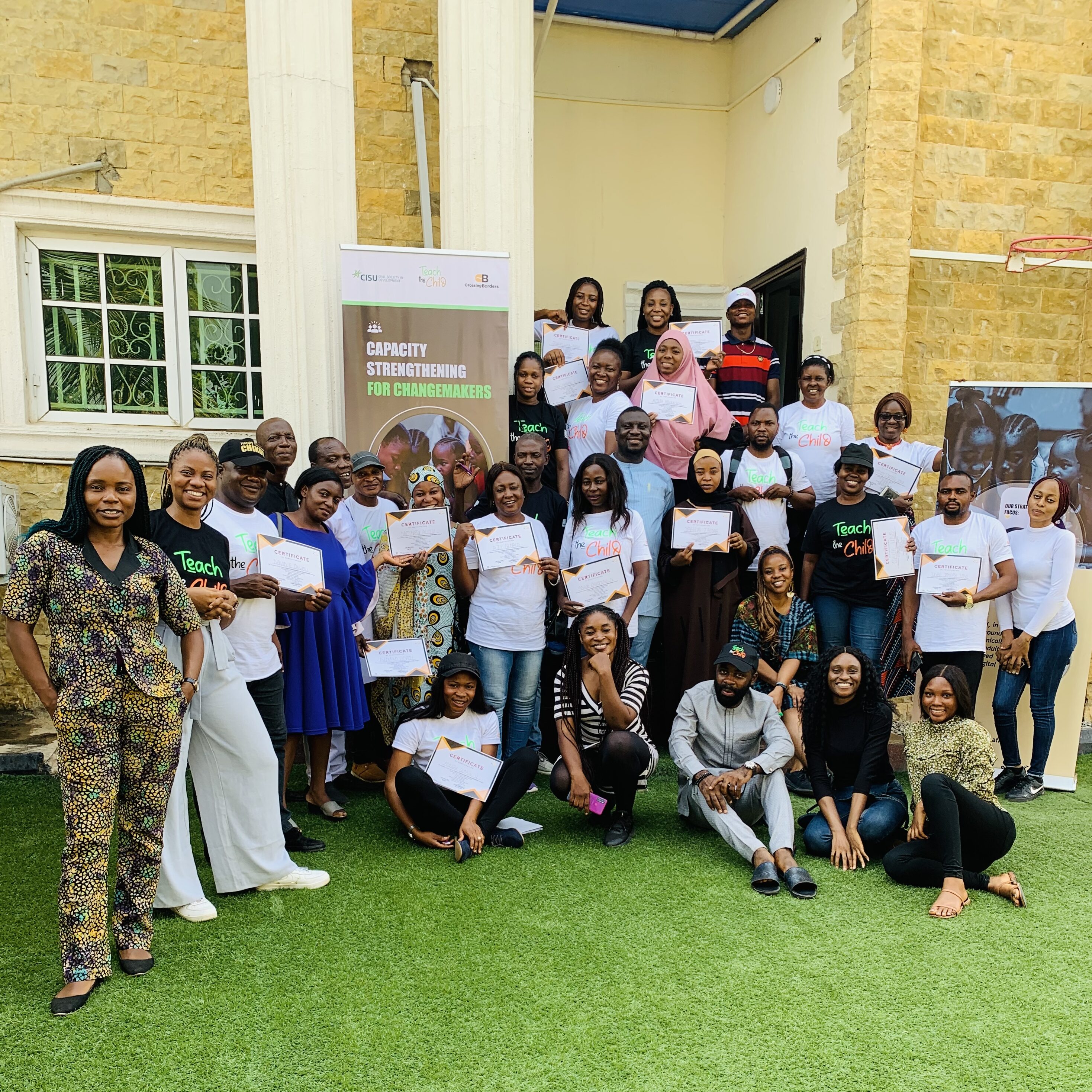
Team Teach the Child and participants at the Documentary premiere
The government must lead NSQF implementation before the private sector will follow. Many employers told us this consistently, that they will not adjust hiring practices until the regulatory environment makes it necessary. Future advocacy needs to target policy enforcement alongside employer awareness.
There is also a significant gap between government youth-focused initiatives and the communities they are designed for. Many of the young people we worked with had never heard of programmes that already exist to serve them. That gap is a communications failure, and closing it requires deliberate investment in how government agencies reach their audiences.
What's Next
The Employment Advocacy for Rural Youths Project has moved the conversation forward in the FCT, but the work of connecting skilled youths to recognised pathways and dignified employment is far from finished.
With the NBTE partnership formalised, community-level accountability tools in place, and a two-year MOU providing institutional backing, the foundation exists for sustained work. The next phase will focus on supporting youths through the NSQF certification process and building the case for private sector adoption of skills-based hiring in the FCT.